
Understanding Neurodiversity: Helping Every Child Feel Seen


Every child experiences the world differently. Some children learn best through movement, others through visual exploration, music, repetition, touch, silence, or imagination. Some children may be highly sensitive to sounds and textures, while others seek constant movement and stimulation. These differences are not failures or limitations, they are part of human diversity.
This is where the concept of neurodiversity becomes so important.
Neurodiversity is the idea that all brains work differently, and that neurological differences such as autism, ADHD, dyslexia, dyspraxia, and other cognitive variations are natural forms of human diversity. Instead of asking children to fit into a single way of learning or behaving, neurodiversity awareness encourages us to create environments where different minds can thrive.
For children, feeling understood can deeply impact their emotional well-being, confidence, and relationship with learning.
Why Neurodiversity Awareness Matters in Education
Traditional educational environments often prioritize stillness, speed, verbal communication, and standardized forms of attention. While some children adapt easily to these structures, others may struggle. Not because they are incapable, but because their nervous systems process information differently.
A neurodiversity-aware environment recognizes that:
movement can support concentration,
sensory needs are real,
emotional regulation looks different for every child,
creativity and alternative communication styles are valuable.
When children feel safe and accepted, they are more likely to engage, express themselves, and develop confidence in their own abilities.
The Connection Between Movement, Creativity, and Regulation
Practices such as yoga, mindful breathing, music, storytelling, and arts & crafts can offer important support for neurodivergent children, and in truth, for all children.
Movement-based activities help children connect with their bodies and release excess energy. Breathing exercises can help regulate the nervous system and create moments of calm. Creative activities allow children to communicate emotions and ideas beyond words.
Many children process emotions through the body before they can explain them verbally. Creating opportunities for sensory exploration, movement, and imagination can help children feel more grounded and emotionally supported.
At Upside Down Yoga Kids the integration of yoga and arts & crafts creates a space where children can explore emotional regulation, creativity, and self-expression in a playful and welcoming way.

Building More Inclusive Spaces for Children
Neurodiversity awareness is not about labeling children. It is about understanding that there is no single “correct” way to learn, communicate, focus, play, or experience the world.
Small changes can make a meaningful difference:
allowing moments of movement,
offering visual and sensory activities,
reducing overstimulation,
practicing patience with emotional expression,
encouraging creativity without pressure.
When adults learn to recognize and respect neurological differences, children feel seen instead of misunderstood.
And often, that feeling of acceptance becomes the foundation for learning, confidence, and emotional growth.
Celebrating Different Ways of Experiencing the World
Children flourish when they are encouraged to be themselves.
By cultivating environments that value empathy, flexibility, creativity, and emotional awareness, we help build a generation of children who not only understand themselves better, but who also learn to respect and embrace the differences in others.
Every child deserves the opportunity to learn in a way that honors who they are.

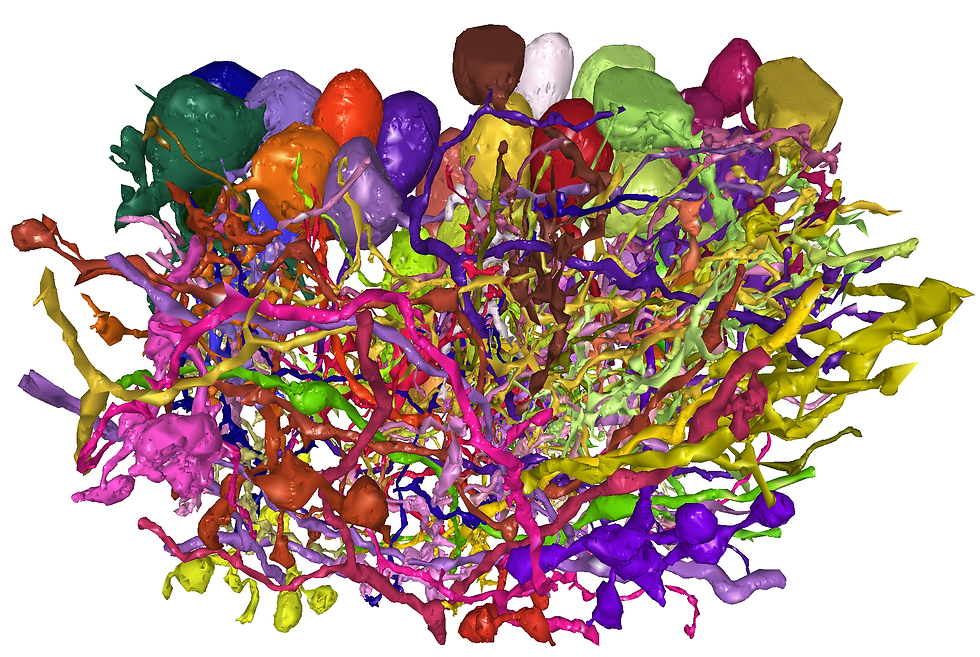
Inspired by Previous Research
During the development of a previous educational project about neurodiversity awareness, we became increasingly interested in how different nervous systems experience learning, communication, movement, and sensory environments in unique ways, and the importance of Neurodiversity awareness. Inspired in part by research and visual development from Camila Muradas’ interactive educational project. You can explore the original interactive project here: Neurodiversidade — Interactive Digital Infographic.


Comments